
What is the difference between a Doula and a Midwife?
If you're pregnant and researching your birth support options, you've probably come across both doulas and midwives. While these two roles often work together as part of your birth team, they're different in what they do and how they support you. Understanding the distinction can help you make informed decisions about the kind of care you want during pregnancy, birth, and beyond.
Medical vs non-medical support
The key difference is simple: a midwife is a trained medical professional responsible for your clinical care, while a doula is a non-medical companion who provides emotional, physical, and informational support.
What does a Midwife do?
Australian midwives are registered health professionals who must be registered with the Nursing and Midwifery Board of Australia (NMBA). They complete a three-year university degree in midwifery or postgraduate studies if they're already registered nurses.
Midwives work in public and private hospitals, birth centres, and some work as private midwives who usually support women in homebirths.
Midwives provide comprehensive medical care throughout your pregnancy journey, including:
Conducting antenatal check-ups and screening tests
Monitoring your baby's development and your health
Performing blood tests and checking vital signs
May prescribe medications
Be that at the birth of your baby at home, in a birth centre, or in a hospital
Identifying complications and referring to specialists when needed
Providing postnatal care for up to six weeks after birth
Supporting breastfeeding establishment
Carrying out emergency measures when required
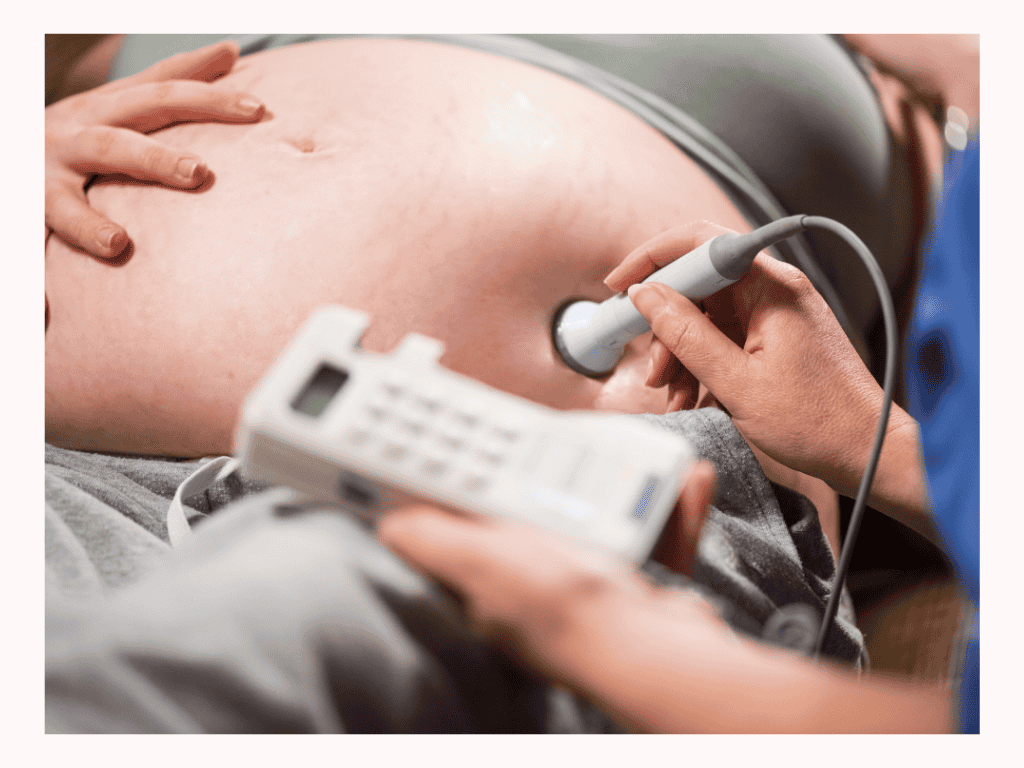
Midwives specialise in normal vaginal births but observe and assist with all types of births, from unmedicated vaginal births to induced labours, instrumental births, and caesarean sections. If you're having a low-risk pregnancy, a midwife can be your primary care provider throughout your entire pregnancy. If complications arise, they'll work collaboratively with obstetricians and other specialists.
What does a Doula do?
A doula is not a medical professional and doesn't perform any clinical tasks. The word "doula" comes from ancient Greek, meaning "woman servant," but today it's better understood as someone who "mothers the mother."
What a doula offers as part of their service varies, but generally it includes:
Emotional support that helps you feel seen, heard, and centred in your care. They listen with empathy to your fears and worries, offer reassurance that your feelings are normal, and provide encouragement and praise that boost your confidence throughout pregnancy, labour, and the postpartum period.
Physical support that helps you feel in control, comforted, and confident. During labour, this might include massage, positioning suggestions, counterpressure, breathing techniques, and other comfort measures. This hands-on support can positively impact how you perceive pain and increase the likelihood of a birth without intervention (if that is your preference).
Evidence-based informational support so you feel switched on, confident, and knowledgeable about your body, birth, and rights. They provide evidence-based information about birthing options, models of care, and what to expect—based on research and up-to-date best practices—so you can make decisions based on facts.
Advocacy support that helps you navigate the healthcare system while supporting your right to make decisions about your body and baby. A doula isn’t there to influence your choices, but to help provide the full context within which to make those choices. They don’t speak on your behalf, but can show you how to be confident in speaking up for yourself when it feels overwhelming.
LEARN ABOUT MY BIRTH SUPPORT PACKAGES

How doulas and midwives work together
Doulas and midwives complement each other perfectly. They're not competing roles—they work together as part of your birth team.
During labour, your midwife takes care of your medical needs and manages the clinical aspects of birth. Meanwhile, your doula provides continuous support. Your midwife may be caring for other women at the same time, particularly in a hospital setting, but a doula will remain with you continuously throughout your labour.
A doula will offer labour comfort techniques such as massage, counterpressure, guiding you through contractions, ensuring you're hydrated, helping you change positions, and providing that reassuring presence that makes you feel safe and supported. Having a doula is helpful in tag teaming with your birth partner (if you have one) or doulas can also act as a primary birth partner (if for example your partner is with younger children or working away).
What’s the evidence for having birth doula support?
The benefits of doula support aren't just anecdotal—they're backed by research that shows women who have an independent birth support person (that isn’t a midwife, family, or friend) providing continuous support during childbirth were:
More likely to have a spontaneous labour
Less likely to have synthetic oxytocin
Less likely to ask for an epidural or drugs
Less likely to be dissatisfied with their birth
More likely to have shorter labours
Less likely to have a caesarean
Less likely to have an instrumental birth (forceps & vacuum)
Less likely to have a baby with low Apgar scores
Benefits for partners
Doulas can educate partners not only about birth, but also about how to advocate for the birthing person. This support not only helps them be a better birth partner but also enables them to fully immerse themselves in the experience and be present.
Research has shown that the most positive birth experiences for birth partners were ones where they had continuous support by a doula or a midwife. In the study, the women and their partners who had a doula overwhelmingly rated the support of their doula as positive, with 93% rating their experience with the doula as very positive and 7% rating it as positive.
In other studies, partners have reported that when they received labour support from a midwife or doula, they were informed, their questions were answered, their labour support efforts were guided and effective, and they could take breaks from the emotional intensity of labour without abandoning their labouring partner.
References: Johansson 2015; Ochapa et al. 2023.
Do you really need both a midwife and a doula?
Midwives will generally always be part of your care team wherever you give birth, and you may ask yourself if it's worth investing in a doula.
Many women find that hiring a doula gives them peace of mind that they'll have continuity of care throughout their pregnancy and labour. Currently, only a private midwife, a private OB, or the MGPS midwife program provides that continuous care, which is considered the gold standard of pregnancy care.
Hiring a doula can also help women feel they have the best of both worlds—a midwife providing expert medical and clinical care and a doula providing continuous, personalised emotional and physical support—and that can make all the difference to your birth experience.
Making your decision
Every pregnancy, birth, and family is unique. Some women feel completely confident with midwifery care alone. Others feel that having a doula as part of their birth team allows them to approach birth with greater confidence, less fear, and more support.
There is no one right way to give birth, and all forms of birth are valid and valued. Whether you're planning an unmedicated vaginal birth, are keen for all the drugs, are having a VBAC, a planned caesarean, or an induction, I can support you.
The most important thing is that you feel supported and cared for in the way that's right for you. A good birth doesn't happen by accident—it happens when you're surrounded by a team who respects your autonomy, supports your choices, and helps you navigate this vulnerable, wondrous, and transformative time.
Get in touch for a complimentary chemistry meeting. I serve the North Shore of Sydney, Northern Beaches, Forest District and Hills District —but don't hesitate to reach out even if you live in other areas around Sydney.

CONTACT KELLY
If you have any questions or would like more info, I’d love to hear from you. Get in touch by clicking the button below and completing the contact form.
About Kelly Allen
My name is Kelly, and I’m a certified birth and postpartum doula who trained with the Doula Training Academy. I service women and birthing people in the North Shore of Sydney, helping you enter and emerge from birth and the fourth trimester feeling physically and emotionally well.